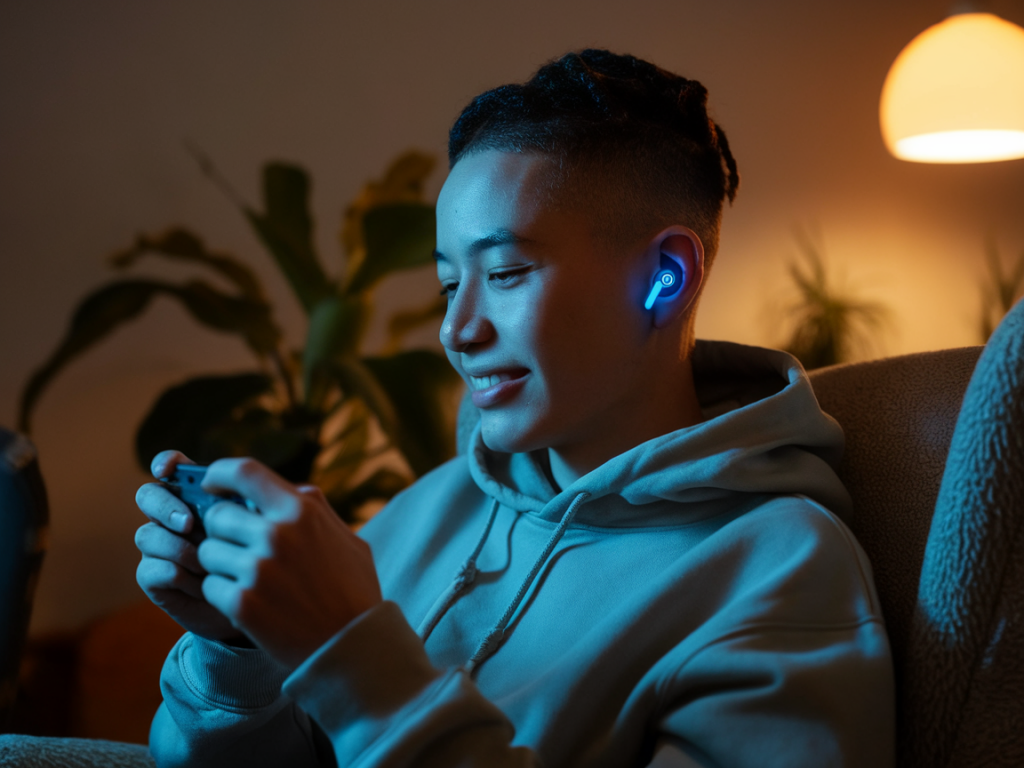
If you’re like me, you want earbuds that disappear in your ears and don’t betray you during an intense mobile gaming session. “Ultra-compact” and “stable” don’t always go together: smaller housings can mean less surface to grip, and the light weight that makes them comfy can also make them prone to shifting when you change grip or tap the screen. Over the past few years I’ve spent hours testing tiny buds across phones and games, and I’ll walk you through what actually keeps earbuds stable — and which pocketable sets I trust for low-latency mobile gaming.
What matters for low-latency mobile gaming?
Latency comes from two places: the wireless hop (your phone ↔ earbuds) and how the earbuds process sound. For mobile gaming you want both a fast, consistent wireless link and a playback mode that favours speed over fancy audio processing like heavy noise reduction or surround simulation.
What keeps ultra-compact earbuds physically stable?
Stability is mostly about fit and shape, not absolute size. A tiny bud with a good seal and small wing will often stay put better than a larger, smooth-surfaced bud. When I test, I look for:
- Deep, secure seal: Small silicone tips that fit well in the ear canal (try multiple sizes) reduce micro-movement and keep the driver aligned to your ear — good for both stability and bass.
- Wings/fins or shape-lock designs: Even a tiny fin or slight flange makes a huge difference; it hooks into the concha to anchor the bud.
- Lightweight housings: Less mass means less momentum when you move, helping them stay put during quick movements.
- Fit-first testing: I always wear buds while gaming, walking and tapping on-screen — not just while standing still. Real-world motion catches slip early.
Practical tips to reduce latency and improve stability
Before listing models, here are the tweaks I always recommend. They’re quick and often make more difference than spending more on a premium model.
- Enable gaming/low-latency mode in the vendor app if present.
- Use the right codec: On Android try to enable aptX LL if your phone supports it. On iPhone, make sure iOS is updated — the Apple audio stack is optimized for AirPods.
- Turn off Surround/3D DSP and heavy noise reduction for gaming — those add processing time.
- Forget and re-pair: If you experience stutters or lag spikes, a fresh pairing often resets the Bluetooth link and reduces jitter.
- Firmware updates: Many latency and stability improvements arrive via firmware. Check the app and update.
- Fit check: Try different tip sizes and rotate the earbud slightly inward until it locks. Small changes in angle can eliminate slip.
- Consider a wired fallback: If absolute zero latency is critical, some earbuds include USB-C low-latency dongles or support a USB-C wired mode — useful on many Android phones.
Ultra-compact earbuds I recommend for mobile gaming
Below I list compact buds I’ve tested or followed closely. They balance small size, a secure fit, and gaming-friendly latency features. Latency numbers are approximate and depend on phone, codec and app — treat them as comparative, not absolute.
| Model | Approx. gaming latency | Fit type | Best for |
|---|---|---|---|
| Razer Hammerhead True Wireless (2021/2022) | ~60 ms (gaming mode) | Compact, shallow tip with slightly contoured body | Android gamers who want a focused gaming mode in a small package |
| Nothing Ear (1) | ~70–90 ms (game mode) | Very compact stem-less design with good seal | Style-conscious users who game casually on both iPhone and Android |
| Anker Soundcore Liberty Air 2 Pro / Liberty 3 Pro | ~60–80 ms (gaming mode on app) | Small pods with multiple tip sizes | Best value — good app support and reliable low-latency modes |
| Apple AirPods Pro (1/2) | ~40–50 ms on iPhone (very low in practice) | Compact stem with in-ear seal | iPhone users who want consistent, low-latency performance and compact fit |
| Samsung Galaxy Buds2 / Buds Pro | ~50–80 ms (best with Samsung phones) | Small, round, secure | Galaxy phone owners — smooth integration and low-latency experience |
How I pick which one to buy
When I shop for ultra-compact gaming earbuds I follow a simple decision flow:
- Phone first: If I use an iPhone mainly, AirPods Pro or similar with Apple’s optimized stack are easier to get low latency from. For Android I prioritise aptX LL-capable buds or ones with a proven gaming mode.
- Try the tips: Does the manufacturer ship multiple sizes? I avoid buds that only come with a single medium tip.
- Real-world gaming test: I play the same match of a rhythm or FPS game and check audio-to-action sync, then try running and quick head movements to see if they fall out.
- App features: A well-designed companion app that exposes low-latency/gaming toggles and firmware updates is worth a lot.
When ultra-compact isn't the right choice
Sometimes compactness forces compromises. If you do a lot of aggressive movement (workouts with dynamic head motion, handheld VR, etc.) a slightly larger earbud with fins or an ear-hook might be a smarter pick even though it’s not technically “ultra-compact.” My current compromise for heavy motion is a tiny ear-hook model or a small sport bud like the Jaybird Vista 2 — not the smallest, but they stay put reliably.
Final thoughts on expectations
Ultra-compact earbuds can be great for mobile gaming, but you need realistic expectations: you’ll rarely match the absolute low latency of wired headphones or dedicated gaming headsets. That said, with a phone that supports the right codec, a pair with a true gaming mode, and a secure fit, you can get perfectly playable performance for most mobile titles — and enjoy the comfort and pocketability that comes with tiny earbuds.
If you want, tell me which phone you game on and whether you prioritise absolute latency or pocketable comfort, and I’ll recommend two specific models that suit your setup.