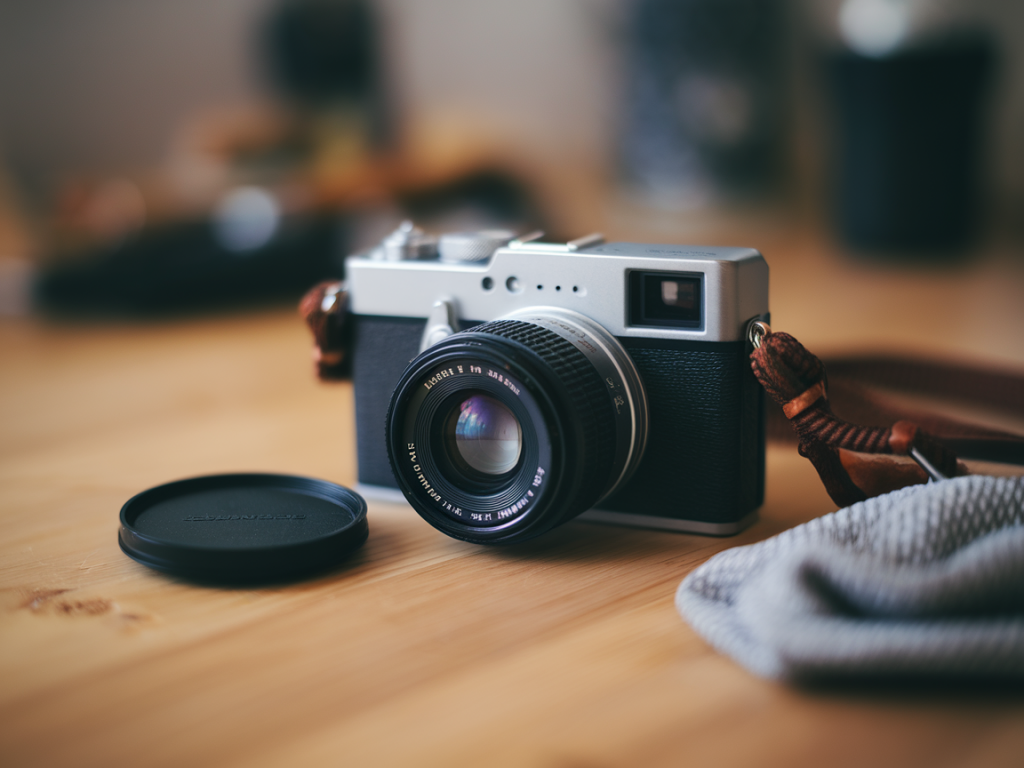
I still remember the first time I tried to carry a DSLR on a weekend away with my family — bulky bag, two lenses, and a toddler who seemed allergic to patience. Since then I’ve learned that for most family trips and street photography outings, a well-chosen compact point-and-shoot gives you most of the image quality you need with none of the lugging or fuss. Below I’ll walk you through how I choose a compact camera, what trade-offs matter in real use, and a few models I keep recommending to readers based on real-world testing.
Why pick a compact point-and-shoot?
Compacts aren’t just about size. For me, the appeal is a combination of speed, discretion, and reliability. On family trips I want something I can slip into a jacket pocket or a small cross-body bag that’s ready the moment the light and the moment line up — no lens changes, no menu labyrinths. For street photography, a small camera helps you blend in, move faster, and capture candid scenes without intimidating people.
That said, “compact” covers a wide range: from tiny pocket cameras with versatile zooms to premium fixed-lens compacts that prioritise image quality and tactile control. Your use-case (family snapshots vs. artistic street work) should guide the choice.
Key features I check first
When I’m evaluating compact cameras, I run through a mental checklist. These are the real-world things that affect whether I reach for the camera instead of my phone.
Sensor size — Bigger sensors (1-inch, APS-C) deliver better low-light performance and shallower depth of field. For street photography, a 1-inch sensor is often the sweet spot in a true pocketable body. APS-C gives a noticeable quality boost but usually costs more and the body can be larger.Lens aperture and focal length — A fast lens (f/1.8–f/2.8) helps in low light and gives more subject separation. Fixed focal length lenses (like 28mm–35mm equivalent) are popular for street shooting. Zooms (24–70mm equiv or 24–200mm equiv) are more flexible for family trips where you might want wide family group shots and quick telephoto for distant candid moments.Autofocus speed and tracking — Fast, reliable autofocus is non-negotiable when kids are moving or when you’re capturing quick street moments. Look for cameras with phase-detect AF points or hybrid AF systems.Image stabilization (IBIS or lens-based) — Helps keep handheld shots sharp at slower shutter speeds — important for indoor family photos and evening street scenes.RAW support — If you want to edit, RAW is essential. Many compacts offer RAW capture; check whether it’s easily accessible in camera and whether your workflow supports it on mobile if you edit on the go.Size, weight, and ergonomics — Pocketability matters. I test whether the camera actually fits in my jacket pocket, and whether controls are comfortable to use one-handed while juggling a stroller or coffee.Battery life and spare batteries — Small cameras can have short battery life. If you’re on a long day trip, a spare battery or USB-C charging is a game-changer.Connectivity — Wi‑Fi/ Bluetooth for quick transfers to phone are great for social sharing on family trips. For street photographers who prefer a phone-free workflow, connectivity matters less.Durability and weather sealing — If you travel often or shoot outdoors in variable weather, an option with weather sealing gives peace of mind.Family trips vs street photography — how priorities shift
It helps to be explicit about differences in priorities. I split them into two quick lists so you can see what to push for.
Family trips — priorities Versatility (zoom range for group shots and distant candid moments) Reliable AF for moving kids Good JPEGs straight out of camera for fast sharing Comfortable ergonomics and long battery lifeStreet photography — priorities Discreet size and quiet operation Fast AF and responsive controls Prime-like focal length (28–35mm equiv) for compositional consistency Good high-ISO performance for night or dim streetsSmall comparison table — quick reference
| Model (typical) | Sensor | Lens | Best for |
| Sony RX100 VII | 1-inch | 24–200mm equiv, f/2.8–4.5 | Family trips (zoom flexibility), travel |
| Canon PowerShot G7 X Mark III | 1-inch | 24–100mm equiv, f/1.8–2.8 | Everyday travel, vlogging |
| Ricoh GR III | APS-C | 28mm equiv, f/2.8 (fixed) | Street photography (discreet, image quality) |
| Fujifilm X100V | APS-C | 35mm equiv, f/2 (fixed) | Serious street and documentary work |
Which models I reach for and why
After testing dozens of compacts, a handful keep coming up depending on the job:
Sony RX100 series — If you want one camera that covers everything, the RX100 line (particularly the Mark V–VII) packs a 1-inch sensor and a generous zoom into a body that still fits a large jacket pocket. Autofocus is fast, and they’re great for family trips where lens flexibility matters. The trade-off is price and a small-ish grip for long handheld sessions.Canon G7 X Mark III — A favourite for creators who want great JPEGs and a fast aperture at the wide end. It offers a pleasing balance between low-light ability and size, plus a flip screen for vlogging. For family trips where you also want an occasional self-shot, this one is a solid pick.Ricoh GR III — My go-to when I want the pure street photography experience in a pocket size. APS-C sensor, razor-sharp 28mm equivalent lens, and a discreet body. It forces you to think in a narrower focal range, which most street photographers will tell you is a feature, not a bug.Fujifilm X100V — This one leans toward enthusiast photographers. The fixed 35mm equivalent lens and Fujifilm’s film simulations produce beautiful JPEGs. It’s larger than the GR but still compact and built like a brick. If you prefer a tactile, manual-control experience for street work, this is my recommendation.Practical buying tips I use myself
A few practical lessons I’ve learned from carrying these cameras across cities and parks:
Try before you buy — Hold the camera, test the buttons, check the grip. Size is personal — a camera that’s technically “pocketable” might still be uncomfortable for your hands.Think about accessories — A small sling strap, a protective case that still allows quick draw, and a spare battery are essentials. For family trips I always keep one spare battery and a tiny USB-C power bank to top up during long days.Used market is your friend — Compacts hold up well. Buying a one- or two-year-old model can get you great value. Check shutter count and return policies.Customise controls — When you buy, spend an afternoon setting up custom buttons and exposure presets so the camera behaves predictably when you’re juggling kids or moving fast on the street.Practice your pocket workflow — I practice pulling the camera out, shooting a frame, and putting it away in a few seconds. This makes a world of difference when a fleeting moment appears.If you tell me whether you prioritise family flexibility (zoom, battery life, easy sharing) or street discretion and image quality (prime lens, compact body, silent operation), I can suggest two or three models to suit your budget and habits. I always aim for practical, pocket-ready choices — because the best camera is the one you actually have with you.