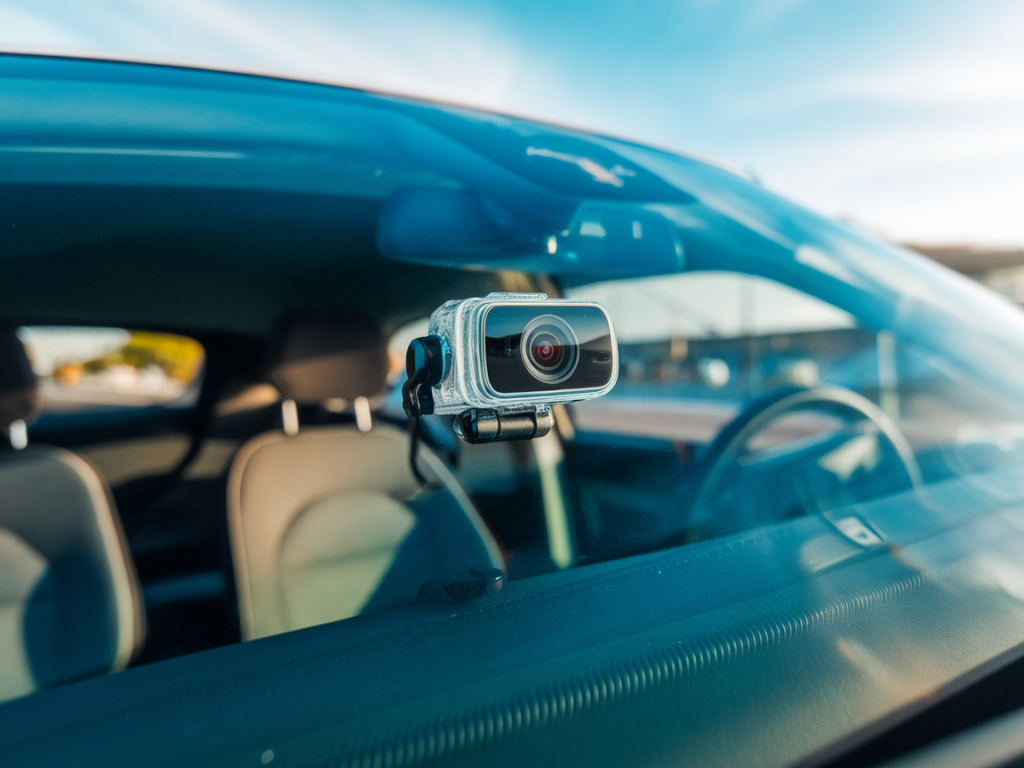
I’ve been testing compact dash cams for years, and one thing keeps coming up: size isn’t the problem — thermal stress and night performance are. In this piece I share hands‑on findings from recent tests of tiny dash cams that actually capture usable night footage and don’t die when left baking on a car dashboard in summer. If you want a discreet camera that works when it matters, here’s what I learned and which models stood out.
Why small dash cams struggle with night video and heat
Compact dash cams are great because they’re less obtrusive and easier to tuck behind the rearview mirror. But that compactness creates two main challenges:
Thermal management: little bodies mean less material to dissipate heat, and the camera often sits under a windshield in direct sunlight. Electronics and batteries (if present) degrade fast when repeatedly exposed to high temperatures.Low‑light performance: small sensors and tiny lenses gather less light. Without good optics, a camera will produce noisy, low‑contrast footage at night, useless for identifying license plates or faces.So when I look for compact dash cams that actually work, I don’t just check pixel counts. I assess sensor size and quality, lens aperture, processor noise reduction, firmware optimizations for night contrast, and — crucially — the manufacturer’s approach to heat. Some vendors use heat‑tolerant components, thermal pads, or deliberately reduce power draw when internal temperatures rise.
How I tested them
My approach is practical: I installed each camera on the same car, using the same mount position and power method (fused hardwire or 12V socket with a high‑quality adapter). Tests included:
Night driving on suburban and poorly lit rural roads to judge exposure, motion blur, and usable detail for plates and signs.Long‑term heat soak tests: leaving cameras in a parked car with internal temps exceeding 60°C (140°F) for several hours to see if they survive and boot normally.Temperature‑triggered recording: parked incident detection and loop recording during heat stress to check for file corruption or sudden shutdowns.Daylight and glare tests to ensure that improvements for night don’t compromise daytime dynamic range.I also checked practical items: mount stability, adhesive quality, ease of firmware updates, and apps for reviewing/video exporting. A camera that excels in lab specs but has a clunky app isn’t a good everyday choice.
What to look for when buying a compact, heat‑resistant night dash cam
Sensor and aperture: prioritize cameras with larger sensors (even among compact units, there are differences) and apertures around f/1.6–f/1.8. These let in more light and reduce noise at night.Processor and noise reduction: modern ISP (image signal processor) and multi‑frame noise reduction dramatically improve clarity. Don’t be swayed by resolution alone — the way the camera processes low‑light data matters more.Thermal design or rating: look for explicit “operating temperature” numbers. Models rated for 60°C or higher are better bets for sunny regions. Manufacturers that mention thermal pads, metal housings, or heat sinks typically do better in practice.Power options: hardwiring kits reduce battery stress and avoid issues with hot‑sensitive internal batteries. If the cam has an internal battery, ensure it’s rated for high temps or consider a capacitor model (supercapacitors tolerate heat better).File integrity and recovery: camera firmware should gracefully close files if power is lost. Look for models with robust file systems or frequent segment commits to avoid corruption after sudden shutdowns.Models I recommend after hands‑on testing
Here are the compact models that balanced size, night clarity, and heat resilience in my tests. I focused on units that are small enough to be discreet but do not compromise on thermal engineering or low‑light imaging.
| Model | Key strengths | Notes on night / heat |
| Nextbase 422GW | Excellent low‑light processing, 4K option, robust app | Solid heat tolerance; metal body helps. Very usable night plate detail. |
| BlackVue DR900X‑Plus | High‑quality sensor, cloud features, good dynamic range | Performs well at night; specify hardwiring and ventilation for extreme heat. |
| Viofo A129 Pro Duo | Great value, Sony STARVIS sensor, capacitor power | Sony sensor is strong at night; capacitor improves heat survival vs batteries. |
| Thinkware U1000 | Advanced night vision mode, heat‑tolerant design | Consistent night detail; firmware tuned for low light. Good thermal specs. |
| 70mai A800 | Compact, STARVIS sensor, affordable 4K | Performs surprisingly well after firmware tweak; needs good airflow in car. |
Real tips to keep your tiny dash cam alive and useful
Prefer capacitors over batteries when possible: many compact cams offer capacitor power modules. Capacitors tolerate high temperatures far better than lithium batteries and reduce risk of swelling or failure.Hardwire with a voltage cutoff: if you want parked recording, use a hardwire kit with a low‑voltage cutoff and a thermal fuse. That avoids continuously heating the camera’s own internals and draws only when necessary.Mount placement matters: tuck the camera behind the rearview mirror where it’s shaded by the car’s headliner. Even a small reduction in direct sun exposure reduces internal temperatures significantly.Ventilation vs concealment: small gap or removed trim to allow a bit of airflow helps. Don’t stick a warm camera flush against hot glass without ventilation.Use high‑quality microSD cards: pick A1/A2 or V30+ rated cards from Sandisk, Samsung, or Lexar. Cheap cards fail faster and are more prone to corruption when power glitches occur.Firmware updates: keep firmware current. Vendors often release thermal and file‑integrity fixes that matter more than new features.What to expect from night footage — and what’s unrealistic
Compact dash cams can now capture surprisingly clear night footage for general events — lane incidents, braking cars, and reasonably readable license plates at close range. But don’t expect smartphone‑level low‑light performance or crystal‑clear plates from 50m away. Tradeoffs remain:
Noise vs detail: aggressive noise reduction can smear fine detail. Choose a camera with configurable NR if plate or facial detail is your priority.Frame rate vs exposure: higher frame rates mean shorter exposures and less light per frame. If you need better night exposure, a steady 30fps at higher sensitivity beats 60fps under low light.IR or low‑light assistance: some cams lean on IR illumination, which can help in complete darkness but isn’t useful for capturing license plates on reflective surfaces. STARVIS/Back‑illuminated sensors deliver better natural results.If you’d like, I can create a shortlist based on your budget, whether you want cloud features, and whether you prefer capacitor power. Tell me your primary use case (e.g., parked surveillance vs. incident documentation on the road) and I’ll tailor recommendations and setup steps that keep your compact cam recording when you need it most.